


Solar Panel Repairs vs. Full System Replacement: What Homeowners Should Know
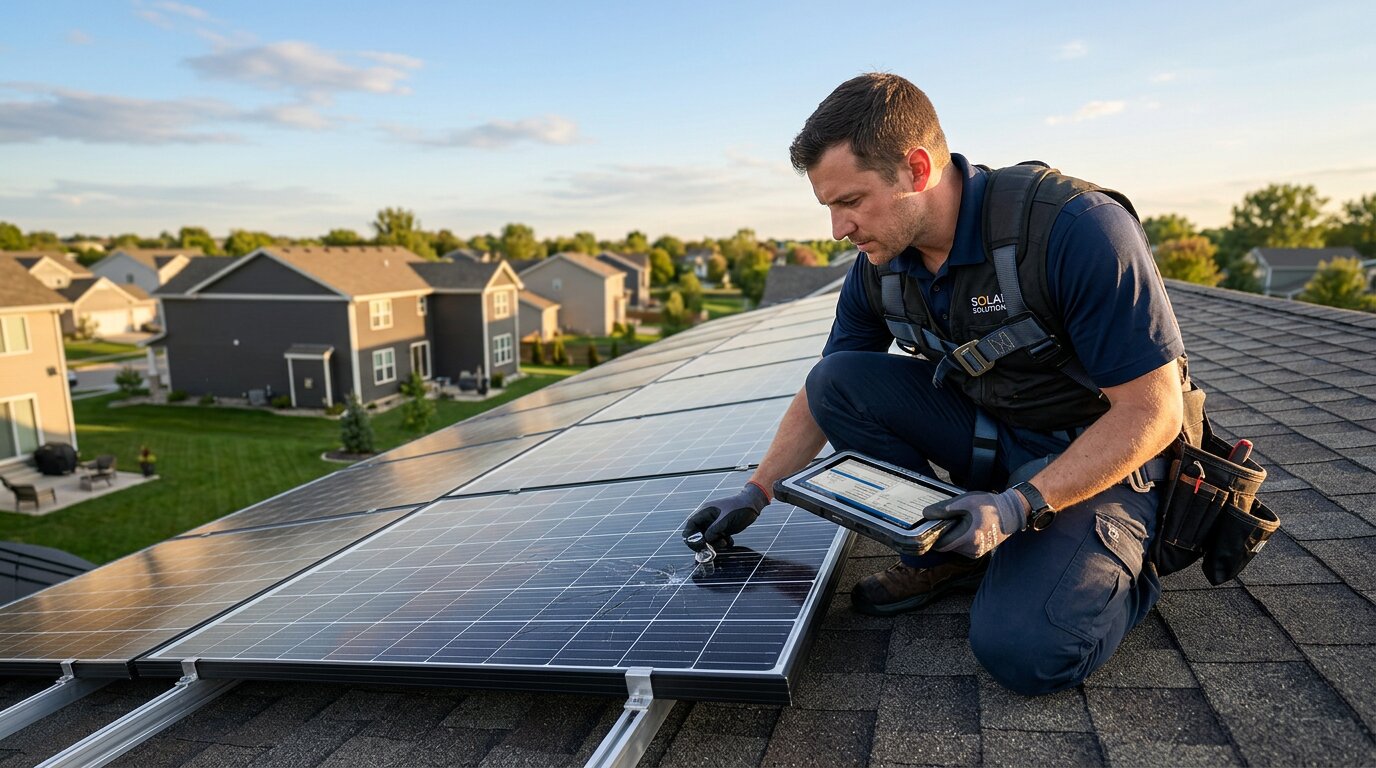
If you’re facing issues with your solar panels, you might wonder if a simple repair will do or if you’re better off replacing the entire system. Deciding between the two isn’t always straightforward, especially when costs, efficiency, and long-term benefits are at stake. Understanding the real impact on your home’s energy performance requires a closer look at warning signs, costs, and new technology—factors you shouldn’t overlook before making your choice.
Understanding Solar Panel Technology and Key Components
Understanding the technology behind solar panels is essential for homeowners considering an investment in renewable energy. A solar power system typically consists of several key components, including photovoltaic (PV) modules, an inverter, and possibly battery backup storage.
Regular maintenance, including inspections and cleaning, is important for optimizing efficiency and electricity production. In urban areas such as York, dust and debris can accumulate on panels, potentially affecting their performance.
It is worth noting that inverters play a critical role in a solar energy system. Data indicates that approximately 34.3% of inverters fail within 15 years, which can lead to a substantial decrease in power output. Homeowners may face decisions regarding whether to repair or replace a malfunctioning inverter.
Additionally, monitoring systems can provide valuable insights into the performance of solar panels. These systems can identify potential issues, such as warning signs or visible damage, which may prompt further investigation.
If you are uncertain about the best course of action—repair or replacement—consulting a comprehensive guide, frequently asked questions, and seeking professional advice can assist in making an informed decision.
Common Issues That Necessitate Solar Panel Repairs
Solar power systems can experience a range of issues that may necessitate repairs to maintain optimal performance. Common factors include cracked panels, faulty photovoltaic (PV) modules, and issues with inverters. Each of these problems can significantly decrease the efficiency of a solar installation.
Additionally, accumulated dirt and dust on solar panels can reduce energy production by as much as 30%. As such, regular cleaning of the panels is an important maintenance task that should not be overlooked.
Another concern is loose wiring or visible damage, which can pose safety risks and impact the overall power output of the system. It is advisable to monitor the system’s performance consistently to identify potential issues early on.
In many cases, timely repairs can prolong the lifespan of the solar installation. Addressing these problems not only helps in maintaining efficiency but can also lead to cost savings over time for both residential and commercial users.
Overall, a proactive approach to maintenance and repair can significantly enhance the reliability of solar power systems.
Signs Indicating the Need for Panel Attention
Monitoring the performance of your solar system is essential for ensuring optimal energy output. A notable decline in power generation, particularly on bright days, typically indicates that the solar panels may require maintenance.
Additional signs that warrant attention include an unexpected rise in energy bills, visible damage to photovoltaic (PV) modules, and unusual noises emanating from the inverter.
Loose wiring or shading from nearby objects can also adversely affect energy production and may necessitate immediate repairs or cleaning. Conducting regular inspections can help maintain system efficiency and potentially reduce long-term costs.
For solar panels that are several years old, or if any of the aforementioned warning signs are present, it is prudent to evaluate whether repairs or a replacement would be more beneficial for enhancing efficiency and overall performance.
Evaluating the Benefits of Repairing Solar Systems
Opting for repair rather than full system replacement of solar systems presents several practical benefits for homeowners. The costs associated with repairs, such as those for solar panels or inverter issues, typically range from $300 to $1,000. In contrast, replacement expenses can escalate to approximately $30,000, contingent on the technology employed and the size of the system.
Proactively addressing visible damage or inefficiencies through routine maintenance—such as cleaning and prompt repairs—plays a critical role in sustaining energy production and mitigating further issues. Early interventions on photovoltaic (PV) modules can potentially extend the lifespan of the solar system and lead to cost savings over time.
Additionally, regular performance monitoring is essential in ensuring that both residential and commercial solar installations function optimally. This oversight allows homeowners to make informed decisions regarding their systems, fostering effective energy management and resource utilization.
When to Consider Full System Replacement
As your solar system approaches the 15 to 20-year mark, it is common to observe a decrease in efficiency and performance, potentially resulting in output levels of 70–80% of the system’s original capacity.
Key indicators that may warrant consideration of a full system replacement rather than undertaking repairs include visible damage to the solar panels, recurrent inverter issues, and a pattern of frequent repairs that may suggest underlying systemic problems.
Additionally, factors such as advancements in solar technology, increased energy demands, or significant changes to your property can also necessitate a reassessment of your current system.
Regular monitoring and inspections are crucial, as they can help identify early warning signs that indicate the system is no longer operating effectively.
In many situations, newer photovoltaic (PV) modules are engineered to deliver higher efficiency and improved power output, further supporting the case for replacement.
This guide aims to assist you in navigating the decision-making process with carefully considered information and analysis tailored to your home or business needs.
Cost Comparisons Between Repair and Replacement
When evaluating the costs associated with solar panel repairs versus complete system replacement, it is important to establish a clear budget. In 2024, the cost for repairing individual components such as inverters or wiring typically falls within the range of $300 to $1,000. This makes targeted repairs a viable option for addressing minor issues that do not compromise the overall functionality of the system.
In contrast, the cost for a full system replacement can range from $10,000 to $30,000. This significant investment reflects not only the advancements in solar technology but also the associated installation expenses.
Regular maintenance and inspections are advisable to identify potential issues early on. Indicators such as declining performance or visible damage can serve as warning signs, suggesting that repairs may be necessary.
While repairing components can extend the lifespan of existing solar panels and improve their efficiency, a replacement may be justified if the photovoltaic modules are several years old or if they are consistently underperforming.
In summary, the decision between repair and replacement should be based on a careful analysis of current system performance, age, and the costs involved, with each option presenting its own set of advantages and considerations.
Impact of Technology Advancements on Replacement Decisions
Recent advancements in solar technology have led to increasing interest among homeowners in the potential for system replacement. Contemporary solar panels are designed with enhanced efficiency and higher energy production capabilities, as well as integration options for battery storage.
Homeowners with older installations may encounter visible wear or experience specific issues, such as performance declines, inverter malfunctions, or reduced power output. These are indicators that a system replacement may be warranted.
Furthermore, newer technologies typically come with extended warranties and improved monitoring systems, which can contribute to lower long-term maintenance costs. Regular maintenance, including system checks and cleaning, can also extend the lifespan of solar installations.
Available installation incentives may further offset initial costs, providing financial benefits for those considering a switch.
In considering whether to repair or replace an aging solar system, it is prudent for homeowners to evaluate the extent of existing issues alongside the potential benefits of newer technologies. A systematic approach informed by reliable resources can aid in making an informed decision that aligns with both current needs and future energy goals.
Assessing the Lifespan and Efficiency of Existing Panels
Given the significant financial investment associated with solar panels, it is important to periodically assess their performance and expected lifespan.
Regular evaluations can identify potential issues such as problems with photovoltaic (PV) modules, inverter malfunctions, or visible physical damage. Monitoring the power output of your system is essential, as it can reveal declines in efficiency that may indicate underlying problems.
For solar panels that are 15 to 20 years old, a decrease in performance may prompt consideration of repairs versus replacement.
Upgrading to more advanced technology or incorporating battery backup systems can enhance overall efficiency and may offer long-term financial benefits.
If you require further guidance, our detailed guide and Frequently Asked Questions section can assist in making an informed decision regarding your solar energy system.
Maintenance Strategies to Prolong System Performance
To ensure optimal performance of your solar energy system, routine maintenance is necessary. Regular inspections and cleaning of the solar panels are important practices that contribute to the longevity of the system and enhance its efficiency.
Monitoring power output consistently allows for the early identification of potential issues, such as physical damage to the panels, inverter malfunctions, or decreases in performance.
Additionally, managing the surrounding environment, such as trimming trees that may cast shadows on the panels, can further support operational efficiency and energy production. Addressing these concerns promptly may help avoid more significant expenses associated with repairs or system replacement, making proactive maintenance financially prudent.
For those uncertain about whether repairs are needed or if a new system should be purchased, consulting available guides, FAQs, or solarexpertsjacksonville.com could provide clarity and assist in making an informed decision regarding your energy needs.
Choosing a Qualified Solar Service Provider
Selecting a qualified solar service provider is essential for ensuring the optimal performance and longevity of your solar energy system. It is advisable to confirm that potential providers hold NABCEP certification, as this qualification indicates a standard of competency in the solar industry.
Pricing transparency is another crucial factor; a reputable provider should offer clear and detailed information regarding costs associated with panel repairs, inverter issues, and the choices between replacement and repair.
It is prudent to conduct a visual inspection for any signs of damage, known as "Red Flags," or shading issues that could impair the efficiency of the photovoltaic (PV) modules. Regular maintenance checks are beneficial in identifying potential problems before they escalate.
Moreover, the service team should be equipped to manage all aspects of the solar system, from installation to ongoing cleaning and monitoring.
Consideration should also be given to available incentives and the integration of battery backup systems, as these elements can enhance both the efficiency and cost-effectiveness of a solar solution.
Conducting a comprehensive assessment of your needs will aid in making an informed decision regarding your solar installation, whether you are evaluating older panels or contemplating necessary upgrades.
This methodical approach is vital for securing a reliable and efficient solar energy system tailored to your home or business requirements.
Conclusion
When deciding between solar panel repairs and a full system replacement, weigh your options carefully. Consider the age of your system, costs, efficiency, and long-term goals. Repairs may restore performance and extend lifespan, while replacement can boost efficiency and reduce future worries. Rely on professional assessments to make an informed choice. Ultimately, prioritize both your budget and your energy needs to ensure your investment continues to benefit your home for years to come.